top of page

April 2026 Family  Newsletter
Boletín Familiar de Abril de 2026

Dear Families, 

As we continue the spring season, I want to thank you for being such an important part of our CACC community. It was wonderful to see so many of you during our recent Week of the Young Child celebration—especially at the Art Gallery, where your children’s creativity truly shined.

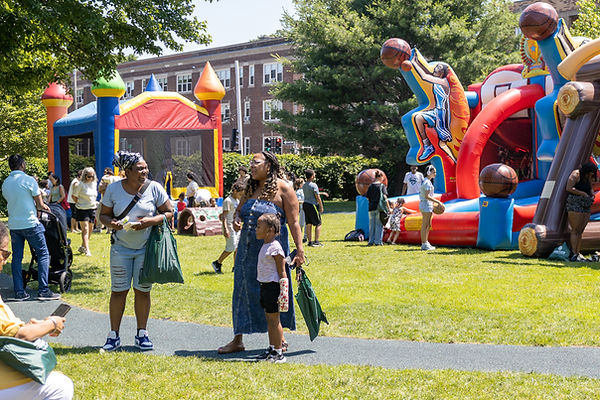
I’m also excited to share that we’ll be hosting our Community Festival again on June 27 from 12-3pm! This is a fun, family-friendly event that brings our whole community together. We’re currently looking for community vendors and partners—if you or someone you know might be interested, you can learn more on our website or reach out to David directly.

Thank you for all the ways you partner with us to support your children’s growth and learning—we’re so glad to have you with us.


Amanda Gorner 

Executive Director 

Estimadas familias:

Mientras avanzamos en la temporada de primavera, quiero agradecerles por ser una parte tan importante de nuestra comunidad CACC. Fue maravilloso ver a tantos de ustedes durante nuestra reciente celebración de la «Semana del Niño Pequeño» —especialmente en la Galería de Arte, donde la creatividad de sus hijos brilló verdaderamente.


¡También me entusiasma compartirles que volveremos a organizar nuestro Festival Comunitario el próximo 27 de junio, de 12 a 3 pm! Se trata de un evento divertido y familiar que reúne a toda nuestra comunidad. Actualmente estamos buscando vendedores y colaboradores de la comunidad; si usted o alguien que conoce pudiera estar interesado, puede obtener más información en nuestro sitio web o comunicarse directamente con David.


Gracias por todas las formas en que colaboran con nosotros para apoyar el crecimiento y el aprendizaje de sus hijos; nos alegra muchísimo contar con su presencia.


Amanda Gorner

Directora Ejecutiva

Our Mission
Nuestra misión

We work alongside families

to nurture and educate our youngest learners

in a safe, welcoming environment

rooted in community and care​​

Trabajamos junto a las familias

para nutrir y educar a nuestros estudiantes más pequeños

en un entorno seguro y acogedor

basando en la comunidad y el cuidado

Around Campus
Por el campus

We had a wonderful time celebrating Week of the Young Child from April 13–17—a joyful week dedicated to our amazing children and the power of early learning!

Throughout the week, classrooms participated in special Spirit Week activities, and we ended with a highlight families loved: our Children’s Art Gallery on Friday, April 17.

Families visited the gallery in our gym throughout the day to view the beautiful artwork created by their children—paintings, drawings, collages, and more. It was a special opportunity to celebrate creativity and see the learning happening across our classrooms.

Thank you for being part of such a joyful celebration!

Pasamos un tiempo maravilloso celebrando la «Semana del Niño Pequeño» del 13 al 17 de abril: ¡una semana llena de alegría dedicada a nuestros increíbles niños y al poder del aprendizaje temprano!


A lo largo de la semana, las aulas participaron en actividades especiales de la «Semana del Espíritu», y cerramos con un evento destacado que encantó a las familias: nuestra Galería de Arte Infantil, el viernes 17 de abril.


Las familias visitaron la galería, ubicada en nuestro gimnasio, durante todo el día para admirar las hermosas obras de arte creadas por sus hijos: pinturas, dibujos, collages y más. Fue una oportunidad especial para celebrar la creatividad y ser testigos del aprendizaje que tiene lugar en nuestras aulas.


¡Gracias por formar parte de una celebración tan alegre!

1000027959.jpg

Family Corner 
Rincón familiar

Greig Cranna -FSH-Crispus Attucks 11-25_60.jpg

Art with Young Children

Remember that your child is not usually drawing you ‘a thing’ – it’s the whole process of scribbling and enjoying the pencil movements and shapes that they’re learning. Celebrate the process and not the product and keep it fun.

First drawings

You’ll notice that your child’s first dabs and dots, often with a fisted grasp, soon develop into light scribbles in a backwards and forwards movement. Wax crayons, stubby chalks and crayons are ideal to use at this stage. One- to two-year-olds are still using their mouths a great deal as a way to find out about objects, so scribbling tools must be non-toxic, non-inky and washable.

Watch out for walls and furniture!

Children haven’t yet learned to distinguish what should be scribbled on and what should not. You may need patience and understanding to celebrate your child’s new-found ability to scribble, yet make sure that they only scribble on the right things! Do this by giving them clear information and distracting them with something more appropriate to do instead.

Left or right handed?

Your child won’t remember how to hold the pencil crayon properly yet, and, in any case, is enjoying experimenting with different hands, positions and grasps. Wait until your child has developed a clear hand preference (usually around the age of two) and then try triangular pencils for the best chance of encouraging a less fisted hold with the tips of three fingers forming a ‘tripod’ position.

Talk about their pictures

Rather than ask, “What is it?” try “Tell me what you’re doing”. Show your interest through your praise and encouragement. Provide a running commentary about what your child is doing and try not to bombard them with too many questions. Gradually lines will begin to emerge from the scribbles and human forms begin to emerge. The child usually draws a person or character as their first ‘real life’ representation. The way this happens shows a very typical sequence of development and you’ll be intrigued to watch this; keep examples to look back on later.

Keep plentiful supplies of scrap paper. Try to have a tray of paper and a pot of implements always on hand. Look for different colours and different textures. Sharing drawing and art times together helps your child develop all kinds of developmental skills. These experiences encourage their language, give them an understanding of quantity and space and help them develop clever finger movements. They enjoy being creative and, above all, feel secure and confident in their relationship with you.

Different art materials

Begin to think of offering your child a wider range of art opportunities. Try a chalk board at child-height, a white board with washable implements, or a computer, tablet or phone to try out simple digital painting games.

Taken From: https://www.cbeebies.com/grown-ups/helpful-articles/art-for-young-children/

El arte con niños pequeños

Recuerda que, por lo general, tu hijo no está dibujándote «una cosa» concreta; lo importante es todo el proceso de garabatear, así como el disfrute de los movimientos del lápiz y de las formas que está aprendiendo a crear. Celebra el proceso, y no el resultado final, y procura que la actividad siga siendo divertida.

Los primeros dibujos

Observarás que los primeros trazos y puntos de tu hijo —a menudo realizados con el puño cerrado— pronto evolucionan hacia garabatos más ligeros, ejecutados con un movimiento de vaivén. Las ceras, las tizas cortas y los crayones son materiales ideales para utilizar en esta etapa. Los niños de uno o dos años siguen utilizando mucho la boca como medio para explorar los objetos; por ello, las herramientas de dibujo deben ser no tóxicas, no manchar con tinta y ser lavables.

¡Cuidado con las paredes y los muebles!

Los niños aún no han aprendido a distinguir qué superficies son aptas para garabatear y cuáles no. Es posible que necesites armarte de paciencia y comprensión para celebrar la nueva habilidad de tu hijo para garabatear, ¡pero asegurándote al mismo tiempo de que solo lo haga en los lugares adecuados! Para lograrlo, ofrécele instrucciones claras y distráelo proponiéndole una actividad alternativa que resulte más apropiada.

¿Zurdo o diestro?

Tu hijo todavía no sabrá cómo sostener correctamente el lápiz o la cera; de hecho, en esta etapa disfruta experimentando con ambas manos, adoptando distintas posturas y formas de agarre. Espera a que tu hijo haya desarrollado una preferencia manual clara (lo cual suele ocurrir alrededor de los dos años de edad) y, llegado ese momento, prueba a utilizar lápices triangulares; esto aumentará las probabilidades de fomentar un agarre menos rígido —alejado de la postura de «puño cerrado»—, permitiendo que las puntas de los tres dedos formen una posición de «trípode».

Habla sobre sus dibujos

En lugar de preguntar: «¿Qué es esto?», prueba a decir: «Cuéntame qué estás haciendo». Demuestra tu interés mediante elogios y palabras de aliento. Acompaña la actividad de tu hijo con comentarios verbales sobre lo que está haciendo, pero procura no bombardearlo con un exceso de preguntas. Poco a poco, de entre los garabatos irán surgiendo líneas más definidas, y comenzarán a perfilarse las formas humanas. Por lo general, la primera representación de la «vida real» que dibuja el niño es la figura de una persona o un personaje. La forma en que se produce este proceso sigue una secuencia de desarrollo muy característica que te resultará fascinante observar; guarda algunos ejemplos de sus dibujos para poder revisarlos y recordarlos más adelante.

Ten siempre a mano una buena provisión de papel de desecho. Intenta disponer siempre de una bandeja con papel y un recipiente con los utensilios de dibujo al alcance de la mano. Busca diferentes colores y texturas. Compartir momentos de dibujo y arte juntos ayuda a tu hijo a desarrollar todo tipo de habilidades evolutivas. Estas experiencias estimulan su lenguaje, les brindan una comprensión de la cantidad y el espacio, y les ayudan a desarrollar movimientos finos y precisos con los dedos. Disfrutan siendo creativos y, sobre todo, se sienten seguros y confiados en su relación contigo.

Diferentes materiales artísticos

Empieza a considerar ofrecer a tu hijo una gama más amplia de oportunidades artísticas. Prueba con una pizarra de tiza a la altura del niño, una pizarra blanca con rotuladores lavables, o un ordenador, tableta o teléfono para probar juegos sencillos de pintura digital.

Extraído de: https://www.cbeebies.com/grown-ups/helpful-articles/art-for-young-children/ 

Teacher Feature 
Profesora destacada

IMG_3973.jpeg

Ms. Dasia


We’re excited to highlight Dasia Fleming in this month’s Teacher Feature. A valued member of the Crispus Attucks Children’s Center community, Ms. Dasia brings a joyful spirit, deep care, and a nurturing presence to everything she does. Whether she’s engaging children in learning, supporting families, or collaborating with colleagues, her warmth and energy shine through. Her commitment to creating a loving, supportive environment makes a lasting impact on our classrooms and community alike—and we’re so grateful to have her as part of CACC.

What is your favorite part of working with children?

My favorite part of working with children is learning about their personalities. Their personalities are what make them special and unique individuals.


What is your favorite part of working at CACC?

My favorite part of working at CACC is providing the uplifting nature and care for and with families. 


What is your favorite children’s book? 

“All the Places You'll Go” by Dr. Seuss


What is your favorite children’s song?

“You Are My Sunshine”


What is your favorite color?

Pink


If you could be any animal, what would it be? 

I would love to be an elephant because they share a beautiful bond with their family and friends. 


What is the silliest thing that ever happened to you in the classroom? 

The silliest thing that ever happened to me in the classroom is when the students made me eat pretend smoothies made with fish in dramatic play!


What is something valuable you’ve learned while working with the children and other teachers?

The most valuable thing I learned while working with the teachers and children is respecting their values and culture. As community leaders we give our students love, support, and commitment.

Sra. Dasia

Nos entusiasma destacar a Dasia Fleming en nuestra sección de "Maestro del Mes" de este mes. Como miembro valioso de la comunidad del Crispus Attucks Children’s Center, la Sra. Dasia aporta un espíritu alegre, un profundo afecto y una presencia protectora a todo lo que hace. Ya sea involucrando a los niños en el aprendizaje, apoyando a las familias o colaborando con sus colegas, su calidez y energía brillan con luz propia. Su compromiso de crear un entorno amoroso y solidario deja una huella duradera tanto en nuestras aulas como en nuestra comunidad, y estamos sumamente agradecidos de tenerla como parte del CACC.

¿Cuál es su parte favorita de trabajar con niños?

Mi parte favorita de trabajar con niños es conocer sus personalidades. Sus personalidades son lo que los convierte en individuos especiales y únicos.

¿Cuál es su parte favorita de trabajar en el CACC?

Mi parte favorita de trabajar en el CACC es brindar ese espíritu edificante, así como el cuidado hacia las familias y en colaboración con ellas.

¿Cuál es su libro infantil favorito?

"All the Places You'll Go" (Oh, cuán lejos llegarás) del Dr. Seuss.

¿Cuál es su canción infantil favorita?

"You Are My Sunshine"


¿Cuál es su color favorito?

El rosa.


Si pudiera ser cualquier animal, ¿cuál sería?

Me encantaría ser un elefante, porque comparten un vínculo hermoso con su familia y sus amigos.

¿Cuál es la cosa más graciosa que le ha sucedido en el aula?

La cosa más graciosa que me ha sucedido en el aula fue cuando los estudiantes me hicieron beber batidos de mentira —¡hechos con pescado!— durante el juego dramático.

¿Qué es algo valioso que ha aprendido mientras trabajaba con los niños y con otros maestros?

Lo más valioso que he aprendido mientras trabajaba con los maestros y los niños es a respetar sus valores y su cultura. Como líderes comunitarios, brindamos a nuestros estudiantes amor, apoyo y compromiso.
 

bottom of page